



Aluminium or Steel Fence — which is the better choice for your home
When choosing a fence, you often face the dilemma: aluminium or classic metal (steel, iron)? Both materials have their advantages and limitations. Here's an honest overview to help you choose.
4/8/20262 min read
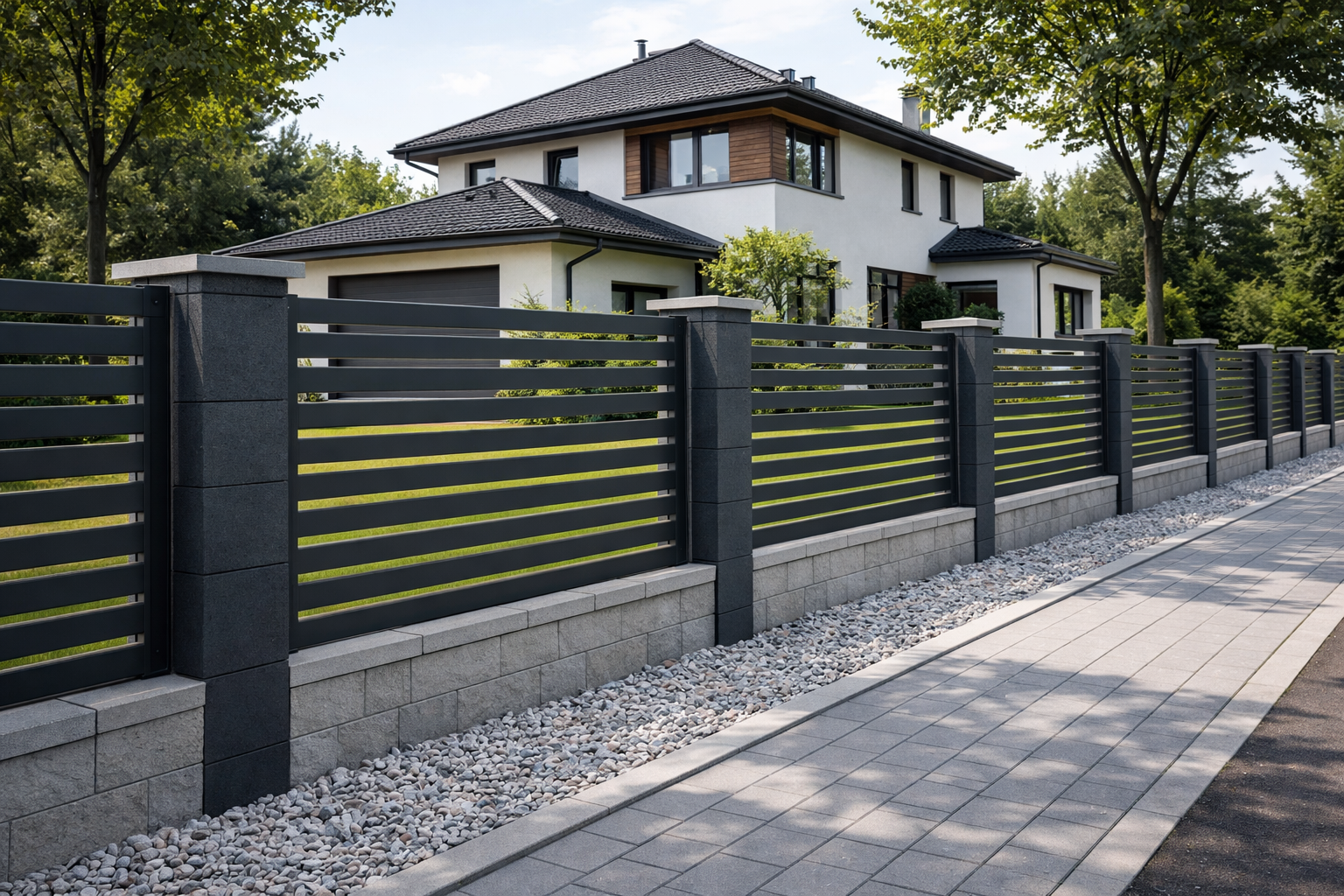
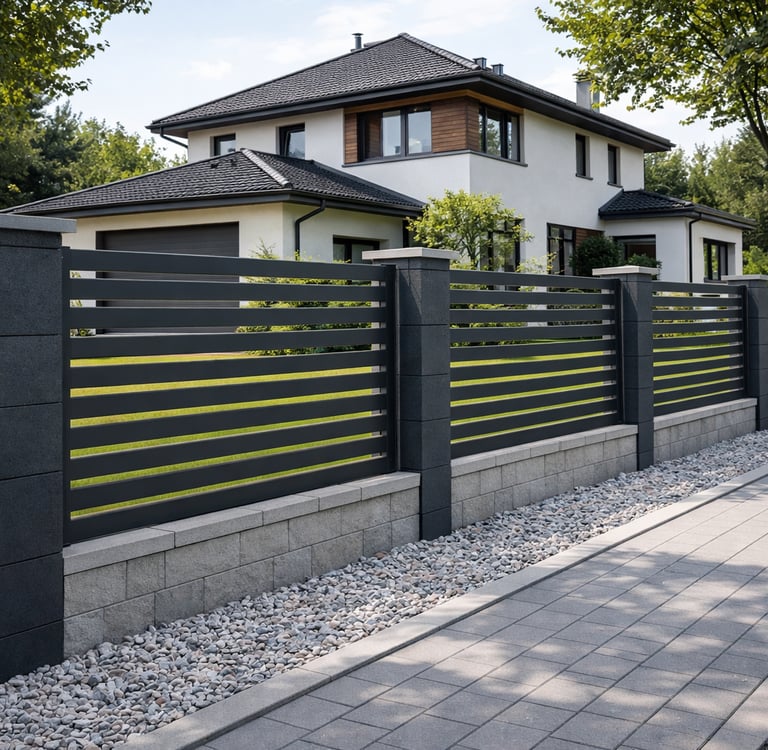
| Aluminium — lightweight, resistant, maintenance-free
Aluminium is an extremely lightweight material — roughly one-third the weight of steel. This means easier installation, less load on foundations and simpler handling. But lightweight doesn't mean weak. Modern aluminium profiles are designed to withstand wind, impacts and loads without any issues.
Aluminium's greatest advantage is corrosion resistance. Aluminium naturally forms an oxide layer on its surface that protects it from rusting. Combined with powder coating — the standard procedure for aluminium fences — you get a surface resistant to UV rays, scratches and weather conditions.
Aluminium requires no maintenance whatsoever. No painting, no varnishing, no sanding. Occasional washing with water and a soft cloth is enough to keep the fence looking new.
| Classic metal (steel) — strength and tradition
A steel or iron fence is the traditional choice offering exceptional strength and robustness. For applications where the fence is exposed to physical stress — for example alongside roads or at industrial properties — steel is often the better choice.
The downside of classic metal is corrosion. Without adequate protection, steel rusts. Galvanisation significantly extends the lifespan, but doesn't eliminate the need for occasional maintenance — especially at points where the protection is damaged.
Aesthetically, steel offers possibilities that aluminium finds harder to achieve — for example forging, curving and shaping organic forms that require a material with greater strength.
| When to choose aluminium?
Aluminium is the right choice when you want a modern, clean aesthetic with straight lines and louvers, when zero maintenance is a priority, when the fence is near the sea or in a humid environment (salt and moisture are steel's enemies), and when you want a lighter structure that doesn't overload foundations.
| When to choose steel or corten?
Steel or corten is the better choice when you want a specific aesthetic effect — such as corten patina or forged details, when the fence is exposed to physical stress, when you want a massive, robust feel that lightweight aluminium struggles to achieve, and when the fence is both decorative and a security feature.
| Price comparison
An aluminium fence is often comparable or slightly more expensive than steel in initial investment. But when you add maintenance costs over the years — occasional painting, rust repairs — aluminium becomes the more cost-effective choice long-term. A corten fence is generally in a higher price bracket, but likewise requires no maintenance.
| The most important advice
Don't choose the material — choose the solution. Tell the manufacturer what end result you want — the look, the feel, the privacy level, the style — and let them suggest the material that achieves it best. Sometimes the answer is aluminium, sometimes corten, sometimes a combination.
Terms and conditions
info@kovinart.com
+38640863350
© 2026. All rights reserved by KovinART, Klemen Vidmar s.p.